New glass-and-steel condo with waterfront parks or historic loft near galleries and cafes. If you are torn between Mission Bay and Dogpatch, you are not alone. Both offer walkable, transit‑served living on San Francisco’s eastern waterfront, but the day‑to‑day experience feels very different. This guide breaks down homes, parks, transit, culture, pricing context, and long‑term resilience so you can pick the neighborhood that fits how you live. Let’s dive in.
Quick vibe check
Mission Bay at a glance
Mission Bay is a master‑planned neighborhood built largely since the 2000s, anchored by the UCSF Mission Bay campus and a growing biotech and medical cluster. The plan calls for thousands of homes, major lab and office space, and a connected system of parks and plazas that were designed into the neighborhood from the start. You will find modern condo and apartment buildings, building‑level amenities, and destination hubs like the Chase Center and Thrive City. For planning context, see the developer’s overview of the program for Mission Bay and the UCSF Mission Bay campus site.
Dogpatch at a glance
Dogpatch is a historic, lower‑rise district with Victorian cottages, warehouse conversions, and newer mid‑rise infill. It has an intimate, local feel with independent shops and restaurants along Third and Minnesota Streets. Art is central here, with galleries and studios clustered around the Minnesota Street Project. The result is an artisanal, boutique vibe with quieter evenings outside of event corridors.
Homes and buildings
Mission Bay: new construction and amenities
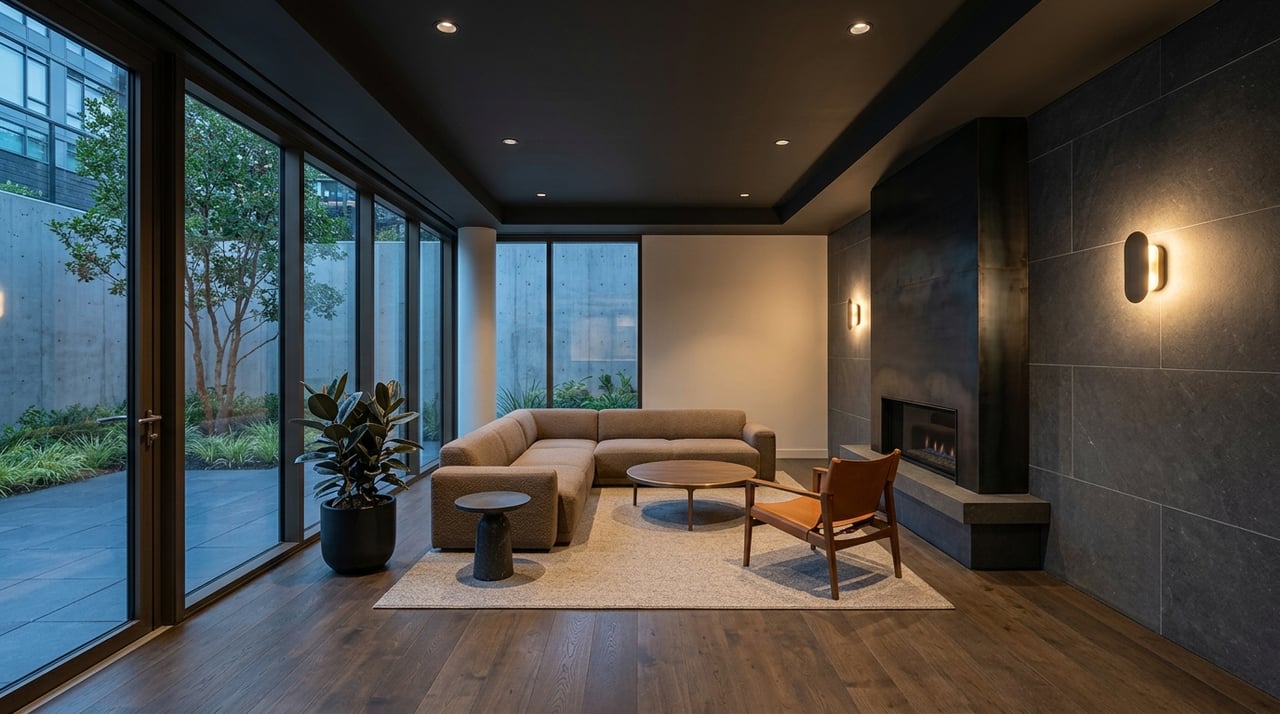
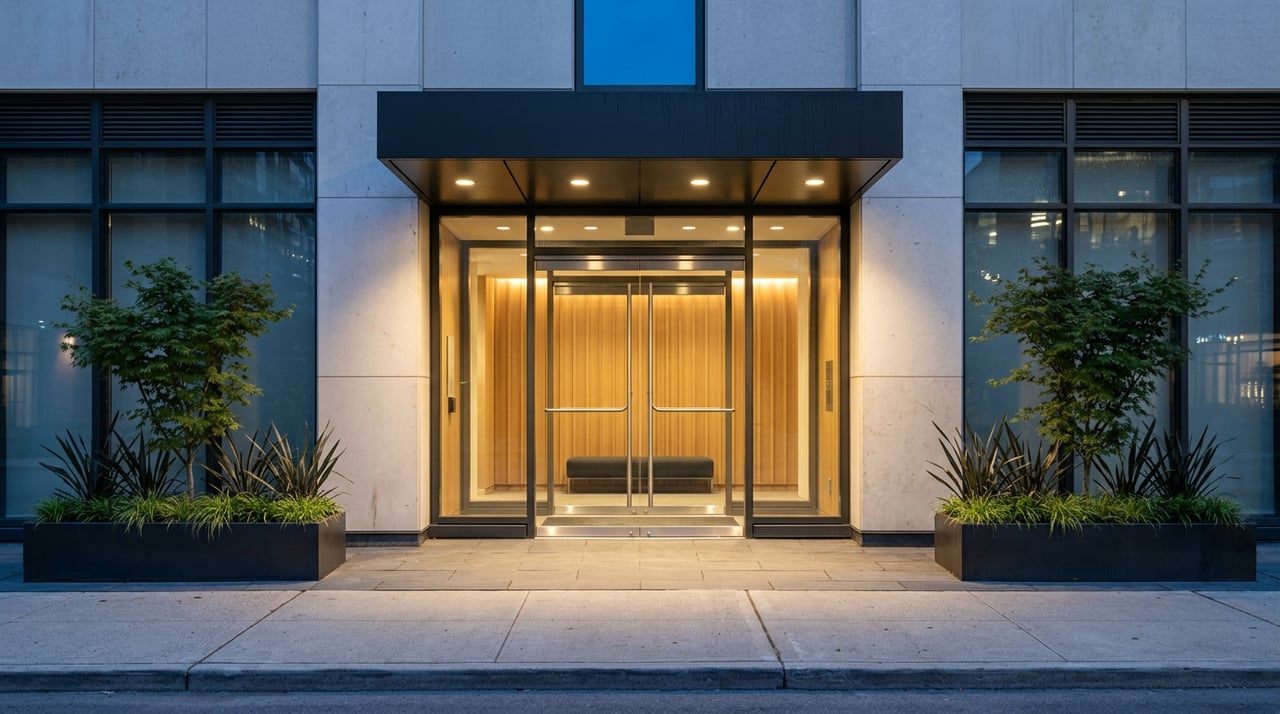
Mission Bay’s housing is dominated by modern condo and apartment buildings. Many offer on‑site management, gyms, lounges, and outdoor terraces. If you want turnkey finishes and amenities, this is where you will see a deep selection. Market trackers show typical Mission Bay condo prices in the low‑to‑mid seven‑figure range as of early 2026, though monthly medians change and vary by source.
What this means for you: expect a wide range of floor plans in newer buildings, proximity to UCSF and biotech employers, and a lifestyle where parks and services are close at hand. If you are weighing new‑construction options, Madison Hunter’s Urbane SF channel offers a one‑year HOA incentive for qualifying buyers, which can reduce your first‑year carrying costs.
Dogpatch: lofts, character, and small‑scale infill
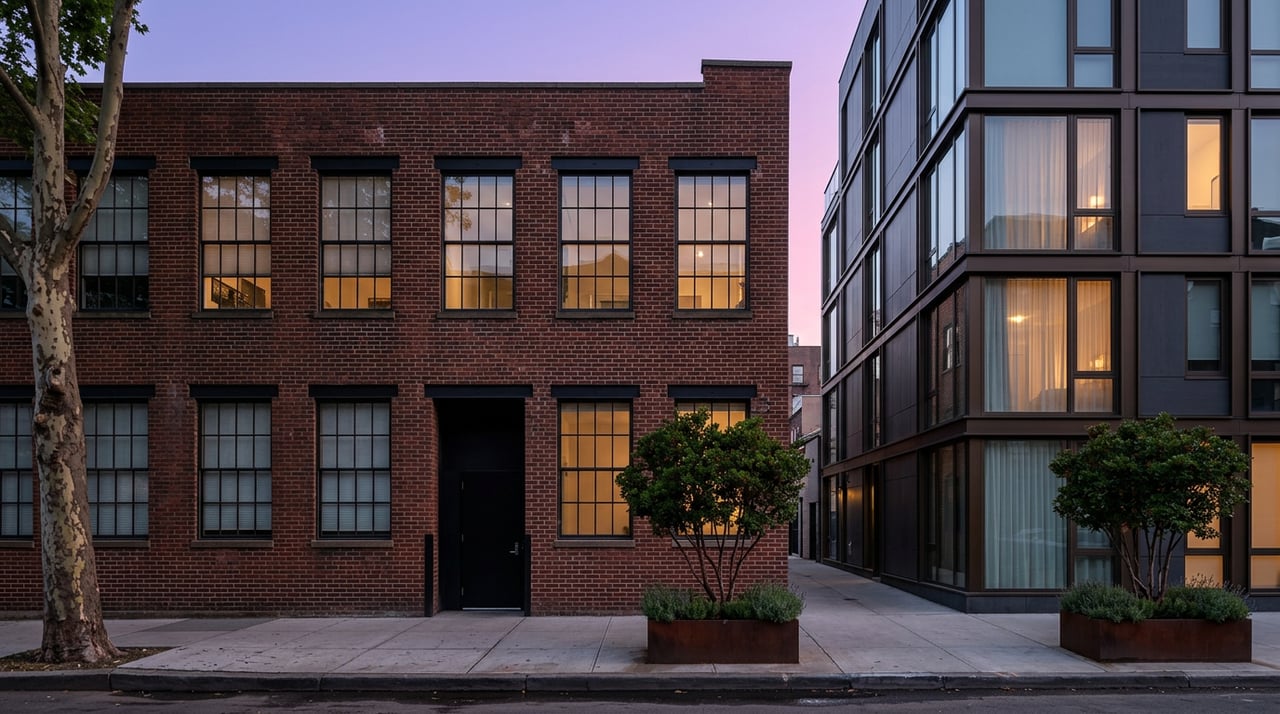
Dogpatch keeps much of its older, human‑scale fabric. You will see converted warehouse lofts, a handful of single‑family homes and townhouses, and newer boutique condo buildings. Listings often include loft‑style units with tall ceilings and industrial details. Price patterns differ from Mission Bay’s condo‑heavy inventory and can trend a bit lower on some blocks, but both markets move with the broader city. If you love unique spaces and a neighborhood main street feel, Dogpatch delivers that blend.
Pro tip: when comparing price points, always check a current neighborhood snapshot for the specific month and source you care about. Medians shift with inventory mix and season.
Parks and the waterfront
Mission Bay: linear parks and event plazas
Mission Bay was designed around a connected open‑space system. Mission Creek Park, bayfront lawns, and long esplanades create an easy waterfront routine for runs, dog walks, and evening strolls. The Chase Center’s Thrive City plaza hosts programmed events and everyday dining. For a feel of the waterfront amenities, explore the Mission Creek pathways described by Mission Creek Park resources.
Dogpatch: intimate greens and historic shoreline
Dogpatch’s parks are smaller and local. Esprit Park recently reopened after a major renovation, giving the neighborhood a refreshed central lawn, paths, and plantings. At the shoreline, Crane Cove Park links Dogpatch with Mission Bay and Pier 70, offering a bayfront lawn, historic cranes, and paddle access. The Dogpatch and Northwest Potrero Hill Green Benefit District has supported park and streetscape upgrades over time. For project details on the Esprit Park renovation, see San Francisco Recreation and Parks.
Getting around and daily commute
Both neighborhoods sit on the T Third Street Muni light‑rail spine, giving you direct service to downtown and the Embarcadero. For Peninsula and Silicon Valley commutes, Mission Bay is a short walk to Caltrain’s 4th & King terminal, while Dogpatch is adjacent to the 22nd Street Caltrain station. Schedules vary by time of day, so check your specific train and platform access. For an overview of the system from the city terminus, see the Caltrain 4th & King entry.
Event days matter. Chase Center and Oracle Park generate crowd surges that can fill trains and sidewalks. SFMTA runs supplemental event service along Third Street, but you should budget a little extra time around games and concerts. See SFMTA’s Chase Center page for travel tips and service notes.
Day to day, both Mission Bay and Dogpatch are flat and very walkable. Bike routes and waterfront paths make short trips easy, and rideshare pickup is usually quick on 3rd Street corridors.
Culture, food, and everyday fun
Mission Bay organizes much of its social life around destination nodes and planned programming. The SPARK Social food‑truck park hosts rotating lineups and seasonal events, which adds a friendly, family‑oriented layer to nights and weekends. Browse the calendar at SPARK Social SF to get a taste of weekly happenings.
Dogpatch is built for discovery. Galleries, small restaurants, and cafes line a compact grid that invites casual walks. The Minnesota Street Project is a standout arts hub with multiple galleries under one roof. Evenings tend to feel quieter than Mission Bay, which many residents appreciate after the workday.
Climate, flood risk, and resilience
Waterfront living comes with a long‑term planning backdrop. Both Mission Bay and parts of Dogpatch sit on historic fill and low‑lying shoreline that face coastal flood risk and future sea level rise. The City and Port of San Francisco are advancing a multi‑decade Waterfront Resilience Program that includes seawall work, raised grades on some new projects, and stormwater improvements. Many recent developments already integrate these design lifts, but the larger solution set will roll out over time. For technical context and current initiatives, review the Port’s Waterfront Resilience Program for Mission Creek and Mission Bay.
Plain‑English takeaway: these neighborhoods offer great access to the Bay, and the City is investing in defenses, but full adaptation will take years. If resilience is a priority for you, we can help you compare building elevations, site design, and disclosures when you tour homes.
Community and civic life
Community looks different in each place. In Mission Bay, many public improvements are delivered through city and developer partnerships that coordinate large parks, streets, and civic facilities. Dogpatch leans into grassroots energy, with local groups supporting parks like Esprit and block‑by‑block enhancements. Mission Bay also has a planned public school site under SFUSD, though local reporting notes schedule delays. Always confirm the latest district updates if a future school site factors into your decision.
Which neighborhood fits your lifestyle
Choose Mission Bay if you value
- New‑construction condos with amenities, on‑site services, and proximity to UCSF and biotech anchors. See development context from Mission Bay’s overview.
- A planned network of waterfront parks, long esplanades, and programmed plazas where events are part of the routine.
- Easy access to Chase Center and flat, bike‑friendly streets, with the understanding that event days bring crowds and transit surges. Review SFMTA event guidance for planning.
Choose Dogpatch if you value
- Historic character, converted lofts, and boutique buildings with unique layouts and materials.
- A smaller‑scale neighborhood feel, independent galleries, and local restaurants that reward unhurried walks. Get a preview at the Minnesota Street Project.
- Intimate parks and a growing shoreline connection at Crane Cove, plus a refreshed central green at Esprit Park.
How Madison Hunter can help
Choosing between Mission Bay and Dogpatch often comes down to product type and lifestyle. If you lean toward new construction, our Urbane SF buyer channel can include a one‑year HOA incentive for qualifying purchases, which helps reduce first‑year ownership costs. If you plan to sell before you buy, our seller pre‑listing renovation program covers improvements with no payments until close, designed to maximize your net proceeds with minimal friction. We pair these programs with senior‑level guidance, transparent pricing context, and developer relationships so your tour list matches how you live.
Ready to compare buildings, resilience features, and block‑by‑block details with a local, condo‑focused team? Connect with Madison Hunter to start your San Francisco search.
FAQs
Which neighborhood is more family‑friendly in San Francisco’s Mission Bay vs Dogpatch?
- Mission Bay offers more purpose‑built parks, plazas, and a planned public school site, while Dogpatch provides smaller local parks and a quieter feel.
How do Mission Bay and Dogpatch compare for Peninsula commutes?
- Mission Bay is near Caltrain’s 4th & King terminal and Dogpatch is adjacent to 22nd Street station, so both work well depending on your schedule and preferred station.
Are home prices very different between Mission Bay and Dogpatch?
- Recent market snapshots show Mission Bay’s condo inventory often pricing at or above many Dogpatch listings, but medians shift monthly and vary by source.
What should I know about sea level rise if I buy in Mission Bay or Dogpatch?
- Both areas include low‑lying shoreline on historic fill, and the City and Port are advancing long‑term defenses; many new projects also include elevated site design.
Is there a public school open now in Mission Bay?
- Mission Bay has a planned SFUSD school site, though reported schedule delays mean you should verify current timelines directly with the district.