Is your SoMa condo getting lost among similar listings online? In a market where recent neighborhood figures hover near a $1.06M median sale price and about 68 days on market, how you present your home can make a noticeable difference. You want a fast, smooth sale and strong net proceeds without sinking money into the wrong projects. Here is a clear plan to help you choose upgrades that attract buyers, respect HOA rules, and keep your timeline on track. Let’s dive in.
Why upgrades matter in SoMa
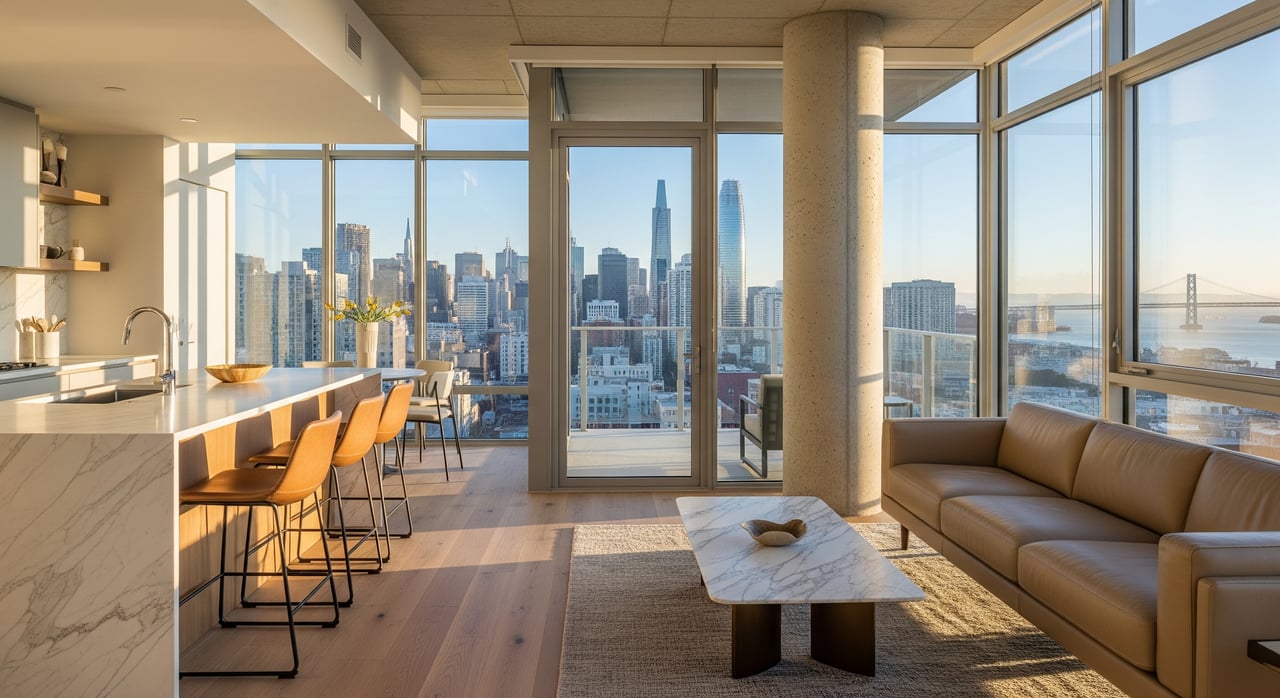
SoMa offers everything from warehouse lofts to high-rise towers, and buyers expect different finishes by building type. Loft shoppers value light, volume, and clean industrial details. High-rise buyers often expect move-in ready kitchens, modern lighting, and well-kept baths that match amenity-rich living. The goal is to match your scope to the most relevant comps in your building class so your home shows at the top of its peer set.
Start with comps and a cap
Begin with a quick comp review in your building or on your block from the past 3 to 6 months. Note sale price, price per square foot, HOA dues, and photos to see what finishes buyers rewarded. Set a “do not exceed” budget based on the premium you can likely earn over the closest comparable units. This keeps spending focused on high-visibility improvements that matter most to buyers today.
Quick wins in 7–14 days
Tackle low-cost items first to boost photos and first impressions:
- Declutter, deep clean, and repair visible dings or nail pops.
- Apply fresh, neutral paint that brightens walls and ceilings.
- Replace tired bulbs with bright, warm LEDs and add simple, modern fixtures.
- Refresh cabinet hardware, mirrors, grout, and caulk for a crisp, clean look.
Staging helps buyers picture daily life in compact spaces. The National Association of Realtors reports that staged homes often reduce time on market and can secure higher offers, with the living room, primary bedroom, and kitchen being most influential. See NAR’s findings on how staging boosts sale prices and reduces time on market.
Kitchen refreshes that pay
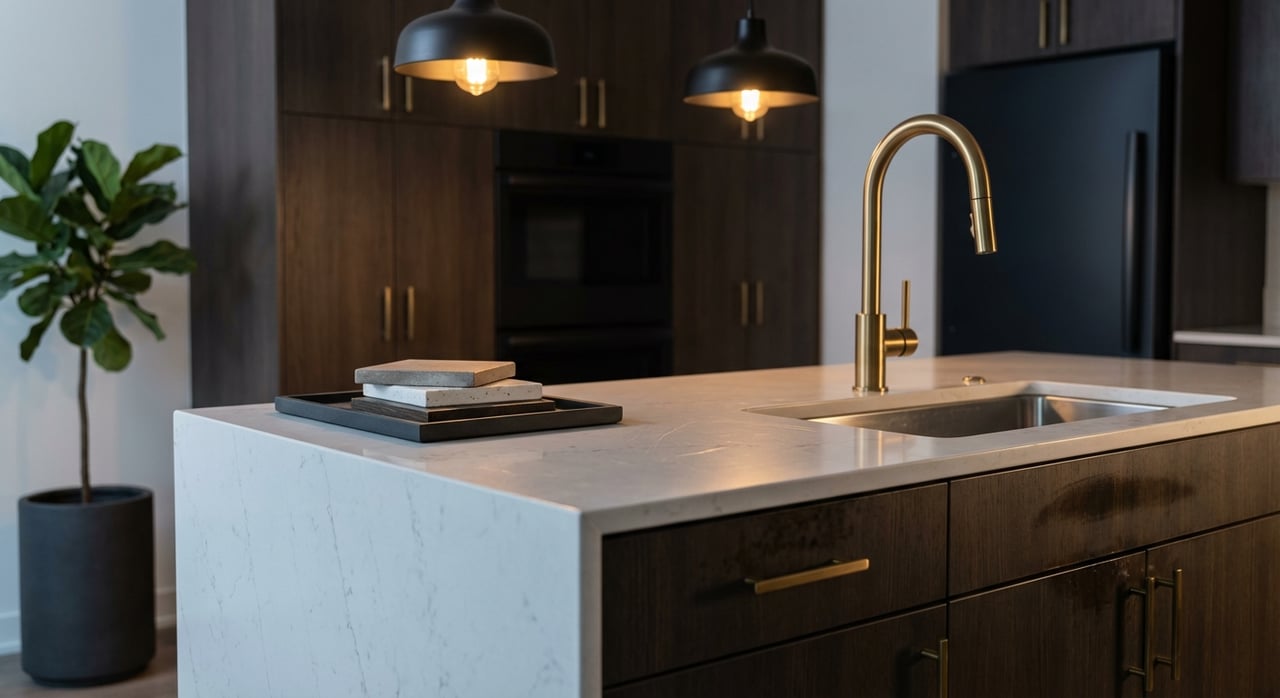
A smart, midrange kitchen update can shift a buyer’s decision in your favor without changing the footprint. Think cabinet refacing or painting, quartz counters, updated sink and faucet, modern pulls, and efficient appliances that fit tight SoMa kitchens. The 2025 Cost vs Value Report shows minor to midrange kitchen work delivering strong return nationally, with a reported midrange minor kitchen recoup around 113%. Review the latest Cost vs Value data as you scope options.
Bathroom updates buyers notice
Clean, modern baths read as move-in ready and photograph well. Focus on lighting, mirrors, vanity and faucet swaps, fresh grout and caulk, and a sleek showerhead. Midrange bath refreshes also post healthy ROI in Cost vs Value, which is why they are a common pre-list improvement. Keep finishes simple and durable to appeal to a broader buyer pool.
Lighting and staging that sell
Layered lighting makes small condos feel larger in photos and in person. Combine a bright ceiling fixture, under-cabinet task lights, and warm accent lamps to define zones. Schedule professional photos after staging, and ask for a 3D tour to help out-of-area buyers explore your space. Per NAR, staging can reduce days on market and increase buyer interest.
Flooring and fixtures for a clean read
If floors are scratched or carpets are tired, consider refinishing or replacing with durable, neutral flooring that photographs well. Update faucets, cabinet pulls, and switch plates for a subtle but cohesive refresh. Compare choices to relevant comps so you do not over-improve beyond the neighborhood norm. Reference Cost vs Value to keep ROI in view.
What not to overdo
Avoid costly layout changes or structural shifts for a pre-sale project. In San Francisco condos, moving walls or utilities can trigger complex permits, longer timelines, and higher risk with limited resale benefit. Focus on visible, midrange improvements that align with your building’s buyer profile. For SoMa kitchens, learn more about right-sized scopes and permitting context in this guide to compact SoMa kitchen remodels.
Also weigh building history and assessments. High-profile towers can have unique dynamics where building-level factors outweigh cosmetic updates. Local reports on cases like Millennium Tower show how special assessments or engineering issues can shape buyer behavior. See the San Francisco Chronicle’s coverage for background.
Permits and HOA approvals
In San Francisco, you usually need permits for changes to plumbing, electrical, mechanical, or structure. Cosmetic, in-kind swaps that do not move utilities may qualify for simpler paths. Confirm requirements early with your contractor and learn more about SF permit impacts in this Madison Hunter overview. At the same time, submit your HOA alteration package. California’s Davis-Stirling rules require associations to use reasonable, timely review procedures, but you must follow the process and supply plans, insurance, and contractor details. Read more on architectural review procedures.
Timelines and contingencies
After approvals, expect roughly 1–3 weeks for a quick cosmetic refresh, 3–8 weeks for a targeted kitchen or bath update that keeps the footprint, and 6–12 weeks or more for projects that need permits. Building management scheduling and SF plan check cycles can add time, so build in cushion. A 10–20% contingency for hidden mechanical, electrical, or plumbing issues is wise in older buildings. See timing notes in this SoMa remodel guide.
SoMa cost ranges to expect
Every building is different, but these local ranges can help you plan:
- Low-cost cosmetic refresh: $2,000 to $10,000
- Midrange kitchen refresh: $20,000 to $65,000
- Midrange bathroom refresh: $10,000 to $35,000
These figures reflect Bay Area labor and logistics and align with Cost vs Value benchmarks. Scope to your unit size and comparable listings. See SoMa-specific context in this Madison Hunter resource.
Pay-at-close renovation options
If you want to move fast without upfront cash, a managed, pay-at-close program can fund and coordinate pre-list updates. Madison Hunter offers a seller renovation pathway with zero payments until closing on approved projects. Confirm exact terms, interest or fees, permitted scope, and any lien or security arrangements before you commit. Get a sense of how these programs compare in the broader market by reviewing this overview of national pay-at-close models.
Key questions to ask any provider:
- Who is liable for contractor performance and workmanship?
- Will a lien or similar encumbrance be recorded during the project?
- How are interest and fees calculated, and is there a total cap?
- Who manages HOA submissions and DBI permits?
- Can they share recent inner-city condo case studies and references?
Learn more about right-sized scopes and SF-specific steps in this Madison Hunter guide.
Launch plan and pricing
Once work wraps, schedule staging and professional photos. Price your condo to current comps and monitor the first 7 to 14 days of activity. Strong photography and staging can support tighter pricing and better first-week traffic. Adjust quickly if the market signals you missed the mark.
Ready to sell in SoMa?
You deserve a clear plan, skilled project coordination, and premium marketing that showcases your condo at its best. Our team pairs neighborhood-level expertise with a managed pre-list renovation option that can defer payment until closing. If you are weighing upgrades or want a fast, clean sale, we would love to help you map the best path. Start the conversation with Madison Hunter.
FAQs
How much should I spend before listing a SoMa condo?
- Set a budget based on nearby comps and focus on low-cost visual wins and midrange kitchen or bath refreshes, which often recoup well per the Cost vs Value report.
Do I need permits for a minor kitchen refresh in San Francisco?
- If you keep the layout and do in-kind swaps, it may be cosmetic, but moving plumbing, electrical, or ventilation typically requires DBI permits, so verify early with your contractor and HOA.
Will staging really help a SoMa condo sell faster?
- Yes, NAR reports that staging reduces time on market for many listings and can increase offer strength, especially in the living room, primary bedroom, and kitchen; see NAR’s findings.
What timelines should I expect for pre-list improvements in SoMa?
- Plan roughly 1–3 weeks for cosmetic work, 3–8 weeks for targeted kitchen or bath updates, and longer if permits are needed, plus added time for HOA review and building scheduling.
What should I avoid when upgrading a SoMa condo to sell?
- Skip layout changes and luxury finishes that exceed local norms; instead, focus on visible, midrange updates with strong ROI supported by Cost vs Value data.
How does a pay-at-close renovation program work for sellers?
- A provider manages and funds approved work up front, then collects repayment from sale proceeds at closing; compare terms, fees, scope limits, lien practices, and who handles HOA and permits, and review this market overview.