What does a typical day look like when you live high above South of Market? If you picture sunrise coffee on a rooftop deck, a quick walk to transit, and dinner near the Embarcadero, you’re on the right track. SoMa blends full-service towers, loft conversions, and master-planned enclaves with a lively cultural core. In this guide, you’ll learn how daily life works in SoMa condo buildings, from amenities and commuting to parks, nightlife, and smart buyer tips. Let’s dive in.
The SoMa you live in
SoMa stretches south of Market Street from Van Ness and Division to the Embarcadero, and down toward Mission Bay. It contains distinct micro-neighborhoods that feel different block to block. Your daily routine will vary depending on whether you live by the Transbay corridor, along the waterfront, or among western SoMa’s creative blocks.
Rincon Hill and Transbay
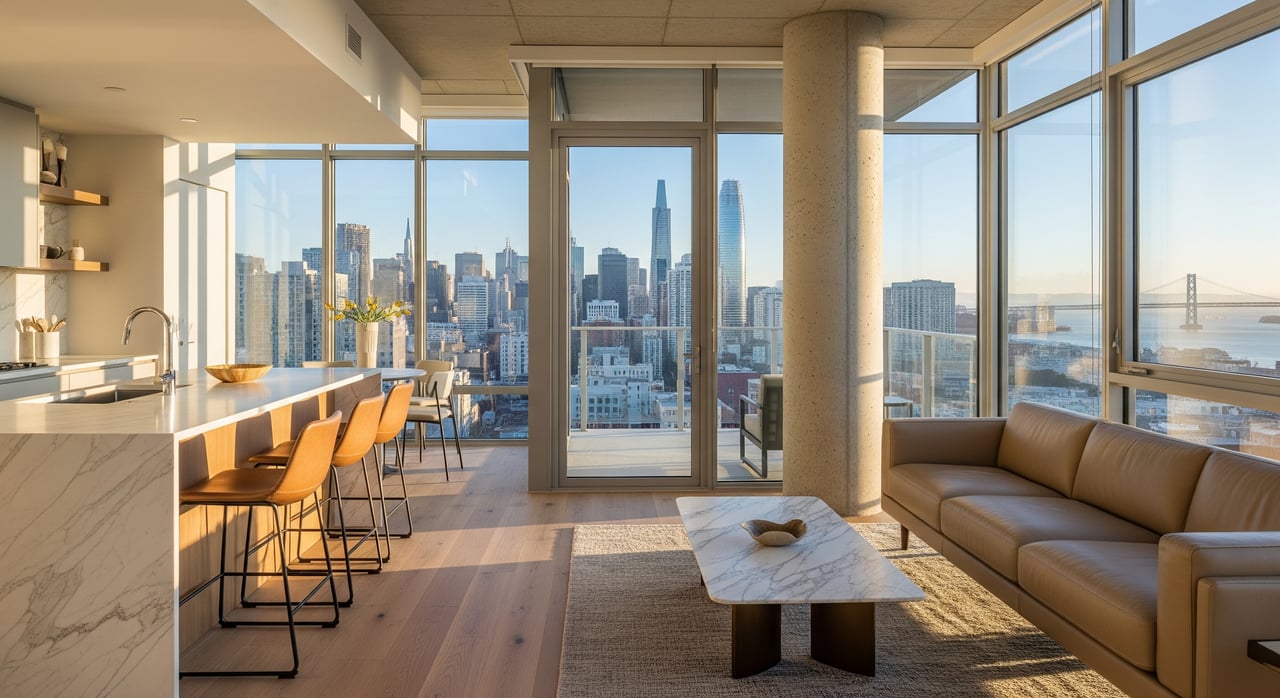
This is tower country with panoramic views, concierge buildings, and quick access to the Transbay Transit Center and its rooftop Salesforce Park. Street life reflects office and commuter energy during the day, with a quieter residential feel above the lobby.
South Beach
Along the waterfront, you’ll find established condo buildings, walkable access to the Embarcadero, and scenic jogging and cycling paths. Dining skews toward casual to upscale, with easy after-work meetups.
Mission Bay
Mission Bay is newer and master-planned, with integrated parks, broad sidewalks, and proximity to UCSF. Many condo communities here offer modern amenities and a slightly calmer pace compared with busier SoMa blocks.
Western and central SoMa
Closer to the warehouse and creative corridors, you’ll see loft-style conversions with exposed structure and live-work character. Nightlife clusters on certain blocks, while others remain quieter. The mix can change within a few minutes’ walk.
Inside your building
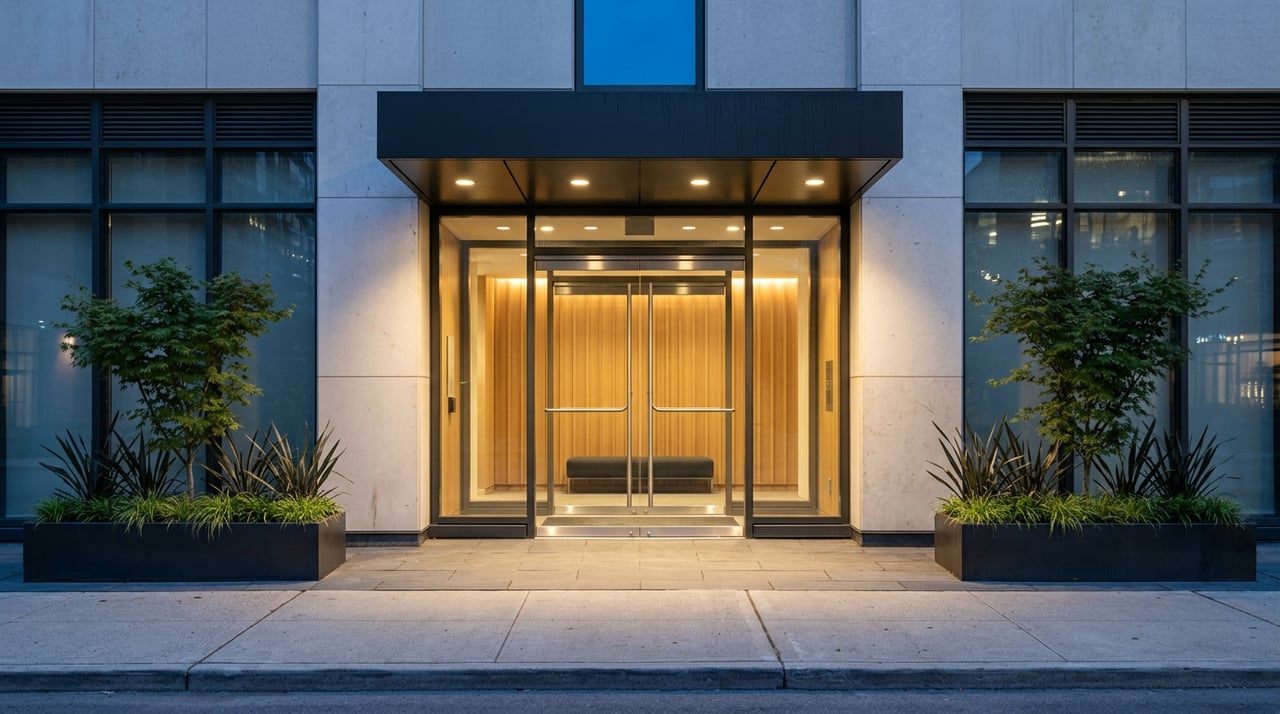
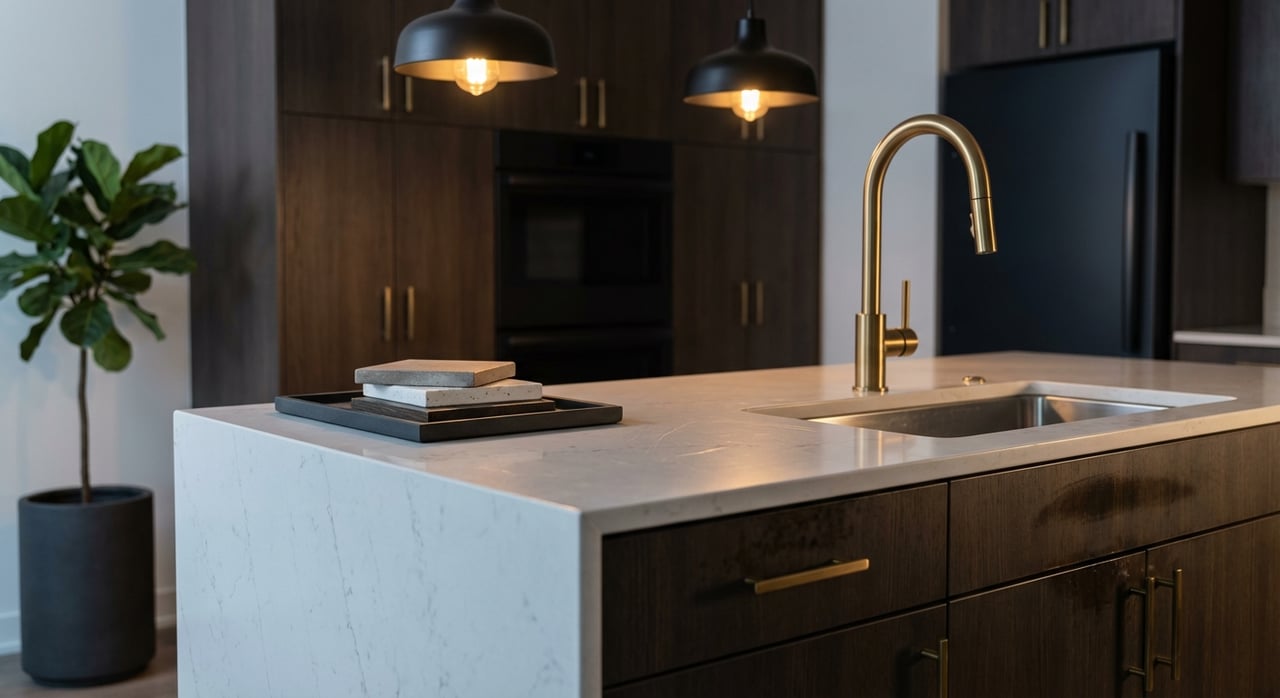
SoMa offers a range of building styles, from luxury towers to mid-rise boutique condos and loft conversions. Amenities vary widely, but many residents find they can work out, host friends, and handle packages without leaving the building.
- Resident services: Staffed lobbies, concierge support, and 24/7 security are common in premium towers.
- Recreation: Fitness centers, yoga rooms, and sometimes pools or hot tubs. Smaller buildings may offer a compact gym instead.
- Outdoor and shared spaces: Rooftop terraces, BBQ decks, community lounges, and event rooms. Some buildings include dog-wash stations.
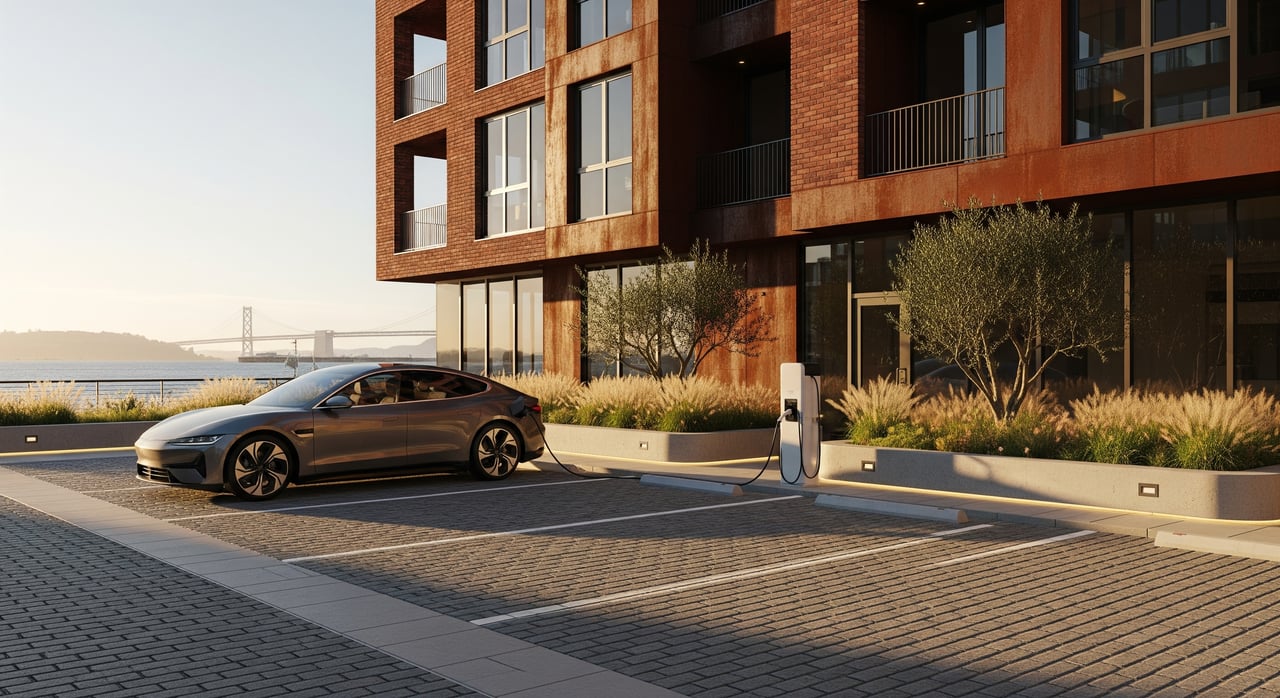
- Practical perks: Secure package rooms, parcel notifications, storage lockers, controlled access, and EV charging in select garages.
- Bike and commuter friendly: Secure bike storage is common, with shower rooms in some properties.
What HOA dues usually cover
HOA fees reflect the level of service. In full-service towers, you’re often paying for staffing, amenities, and robust building operations. Always verify:
- Which utilities are included, such as water, trash, heat, or internet
- Staffing levels and hours
- Reserve study health and recent special assessments
- Insurance coverage and deductibles
Pets, parking, and EV charging
Policies and availability vary by building. Confirm pet rules, guest parking procedures, bike storage capacity, parking assignments, and whether EV chargers are available or waitlisted. In San Francisco, parking can be a major value driver, so understand the cost and the rules.
Building safety and engineering
Modern towers follow current seismic codes, while older loft buildings may have retrofit requirements. Review disclosures on seismic upgrades and insurance availability. In San Francisco, some high-profile buildings have faced structural scrutiny. Millennium Tower is a well-known example that spurred broader attention to engineering review, financing, and remediation disclosures. Always request building-specific reports and consult your lender about project certification.
A day in the life
Imagine this weekday routine for a SoMa tower resident working in the urban core or commuting south:
- Morning: Quick elevator ride to the gym, then coffee on the rooftop or at a café a short walk away.
- Commute: Walk to a nearby BART or Muni station for downtown, or to Caltrain at 4th & King if heading to the Peninsula. Many tech professionals use employer shuttles.
- Midday: Lunch near a park like Salesforce Park or Yerba Buena Gardens. Errands might include a neighborhood grocer or a nearby specialty market.
- Evening: Meet friends in South Park, try a new restaurant, or unwind in your building’s lounge. On weekends, explore museums, concerts, and waterfront paths.
Noise and crowds ebb and flow across SoMa. Some blocks near nightlife or conference venues run busy and loud. Others are quieter, especially around Mission Bay. Building insulation, window quality, and your floor level can make a meaningful difference.
Getting around
You have multiple transit options within reach. Northern SoMa is walkable to BART at Montgomery, Powell, or Embarcadero. Caltrain at 4th & King serves the Peninsula and Silicon Valley. Muni lines, including the T Third Street, connect Mission Bay to the Central Subway and Embarcadero corridor. The Transbay Transit Center anchors regional bus service and adds daily green space at Salesforce Park.
Short hops are easy on foot or by bike. Bay Wheels stations are common, and e-scooters and e-bikes operate under city programs. Rideshare is popular for late nights and airport rides. Traffic can slow near I-80 and 101 ramps and along Market and the Embarcadero during peak times.
Airport access
BART connects to SFO, and many residents use rideshare for early or late flights. Your starting point and time of day will set the pace.
Commute checklist when touring
- Measure walk time to BART, Muni, or Caltrain, and note the route’s lighting and activity
- Ask about on-site bike storage and security
- Confirm parking availability, EV charging, and monthly costs
- Check proximity to employer shuttle stops
Food, culture, and green space
SoMa is home to large cultural anchors and smaller venues. You can see shows and exhibitions at places like SFMOMA and Yerba Buena Center for the Arts, with the Moscone Center drawing major conferences that shape weekday energy. Music and nightlife venues cluster along specific blocks, creating lively evenings on weekends.
Dining covers everything from grab-and-go coffee and fast-casual to upscale tasting menus. Grocery access depends on your micro-neighborhood. Mission Bay and South Beach offer more recent retail, while western SoMa may require a slightly longer walk. Farmers markets and specialty food retailers in adjacent neighborhoods add variety.
Parks are pocketed throughout: Yerba Buena Gardens and South Park provide green breaks near the core. Salesforce Park offers an elevated path and programming on the Transbay roof. Along the water, Rincon Park and the Embarcadero paths are ideal for jogging and cycling. Mission Creek and Mission Bay parks add dog-friendly space and outdoor exercise options.
The urban realities
With SoMa’s energy comes classic city tradeoffs. Expect street noise, late-night activity in certain stretches, ongoing construction, and a visible presence of unhoused neighbors in some corridors. Comfort varies by block and building. Many residents rely on building security, double-pane windows, and smart route choices to keep daily life smooth. You should also visit at different times of day and night to get a full picture.
Buyer essentials for SoMa condos
Condos are scrutinized by lenders for legal, financial, and structural health. You’ll want a clear view of the HOA’s budget, reserves, insurance, and any pending litigation or large projects. Earthquake insurance is a separate policy and commonly considered in San Francisco. For loft conversions or older buildings, verify seismic retrofit status.
Rental and occupancy rules vary, and San Francisco has citywide short-term rental regulations. If you plan to rent, confirm both HOA bylaws and city rules. Monthly costs go beyond the mortgage. HOA dues scale with services, and parking can carry added fees. Special assessments, city taxes, and utilities should be part of your budget plan.
Resale prospects depend on building condition, policies, and broader market cycles. High-rise condos in prime SoMa locations tend to draw buyers and renters who want urban amenities. Demand can shift with employer footprints and office use, so keep an eye on local employment patterns.
Red flags to watch for
- Pending or recent large special assessments
- Low reserves relative to building age and amenities
- Litigation, especially related to construction or structural items
- Aging mechanical systems and elevator modernization needs
- Restrictive rental caps if you plan to rent
Due diligence checklist
- HOA bylaws, CC&Rs, minutes, current budget, reserve study
- Engineering reports, construction notices, and any litigation disclosures
- Seismic retrofit records or planned capital improvements
- Parking and storage assignments, pet rules, rental policies
- Elevator, facade, or systems upgrade schedules
- Walk the block at multiple times and test your commute options
- Confirm lender project approval and insurability early
Who SoMa living fits
If you value walkable access to work and culture, a full-service building, and on-site amenities that simplify your routine, SoMa is worth a close look. Tech and creative professionals, empty nesters, and some families in Mission Bay gravitate here for convenience and variety. If you need a quieter setting, focus on calmer blocks, higher floors, or master-planned areas with more open space.
How Madison Hunter helps
Choosing the right SoMa building is about more than finishes and views. You want clear answers on HOA health, transit access, engineering, and day-to-day comfort. Madison Hunter pairs boutique, high-touch guidance with pragmatic solutions. If you are considering new construction, our Urbane SF channel offers a one-year HOA incentive for qualifying buyers. Sellers can benefit from a pre-listing renovation program with zero payments until close. Our team brings condo-specific expertise, developer relationships, and polished marketing to help you buy or sell with confidence.
Ready to explore SoMa condos that match your lifestyle and goals? Start your search with Madison Hunter.
FAQs
What is daily life like in a SoMa condo tower?
- Expect on-site amenities for workouts and social time, short walks to cafés and transit, cultural venues nearby, and lively evenings on certain blocks.
Is SoMa noisy or unsafe at night?
- Activity levels vary block by block. Some areas near nightlife run busy, while Mission Bay and certain residential pockets are calmer. Visit at multiple times to evaluate fit.
How walkable is SoMa for errands?
- Many daily needs are a short walk, but retail density varies by micro-neighborhood. You may walk farther for certain groceries in western SoMa.
Do I need a car if I live in SoMa?
- Many residents go car-light thanks to BART, Muni, Caltrain, bike share, and rideshare. If you want parking, confirm availability, costs, and EV charging.
What are the top red flags when touring a high-rise?
- Look for signs of large assessments, low reserves, active litigation, structural or systems issues, and HOA rules that conflict with your goals.
How does SoMa compare with nearby neighborhoods?
- SoMa emphasizes vertical living, cultural anchors, and nightlife clusters, while nearby areas may feel more residential. Mission Bay offers a newer, planned environment with more open space.